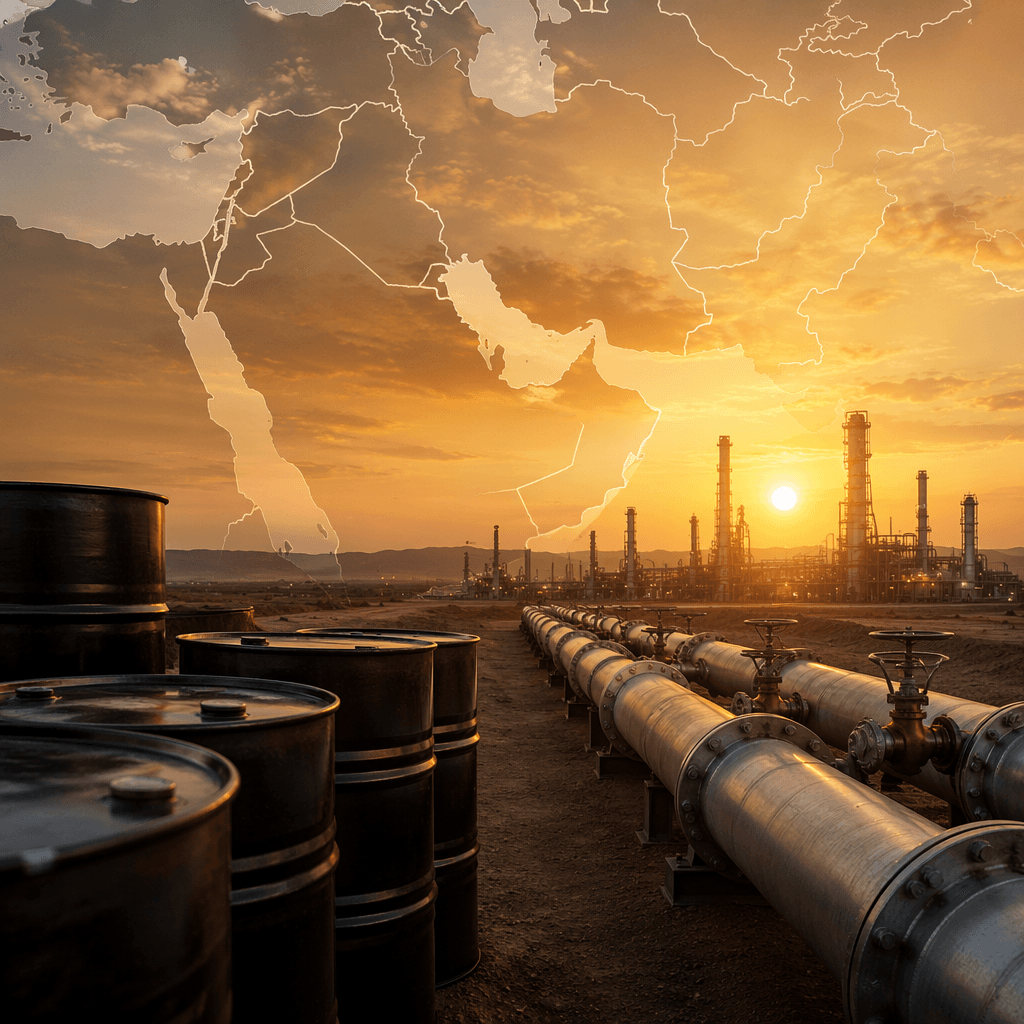
The International Monetary Fund (IMF) and the World Bank have issued a joint warning about the growing strain on global energy supplies due to the ongoing conflict in the Middle East. In a statement, the institutions highlighted that while the global economy has shown remarkable resilience in the face of recent challenges, the escalating tensions in the region pose a significant risk to energy markets worldwide.
The Middle East, a critical hub for global oil and gas production, has seen increased instability, raising fears of supply chain disruptions. The IMF and World Bank emphasized that prolonged conflict could lead to heightened volatility in energy prices, which would have far-reaching consequences for both developed and developing economies. "The resilience of the global economy is commendable, but it is not immune to the cascading effects of prolonged geopolitical instability," the statement noted.
Experts have also pointed out that energy-dependent nations could face severe economic repercussions if the situation worsens. The warning comes as policymakers worldwide grapple with inflationary pressures and efforts to stabilize their economies. The IMF and World Bank urged nations to collaborate on ensuring energy security and mitigating the potential fallout from the conflict.
The global institutions reiterated their commitment to monitoring the situation closely and providing necessary support to affected economies.