In a bid to tackle the persistent issue of water-borne diseases in rural Uttar Pradesh, the state government has ramped up its efforts by emphasizing community-driven participation. According to Mr. Shekhar, a 2004 batch Indian Administrative Service (IAS) officer, the initiative aims to empower local communities, particularly women, to play a pivotal role in ensuring access to safe drinking water.
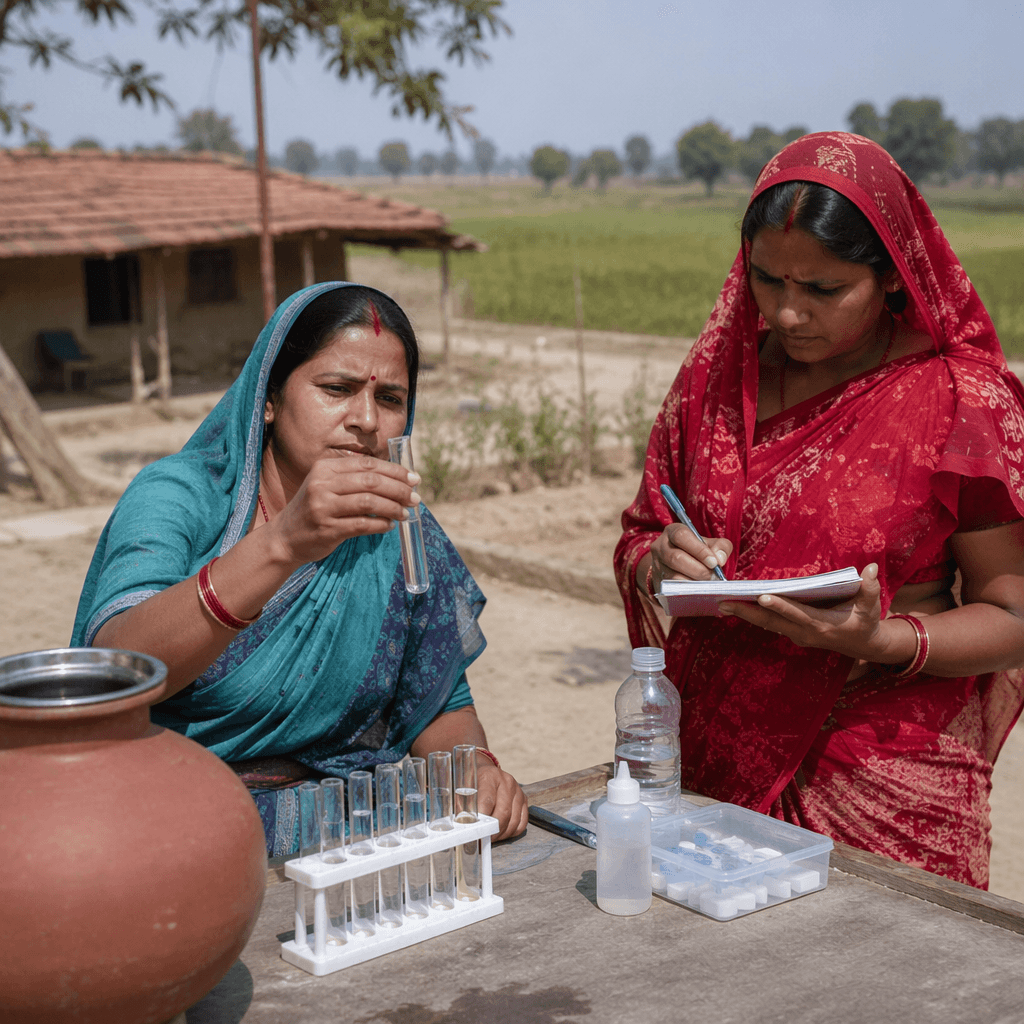
As part of the program, women have been actively engaged in field testing water quality in villages. Their work involves collecting and analyzing water samples to identify contamination and ensure timely intervention. Mr. Shekhar noted that these women are being paid an honorarium in accordance with the prescribed rates for their contributions, underscoring the government’s commitment to incentivize grassroots participation.
The initiative is expected to significantly reduce the prevalence of water-borne diseases, which have long plagued rural areas due to inadequate access to clean water. By involving local communities, the government aims to create a sustainable model for water quality monitoring and disease prevention.
This approach not only addresses a critical public health issue but also empowers women in rural areas by providing them with a source of income and an active role in community welfare. The program reflects the state’s broader commitment to improving rural health and sanitation through inclusive and participatory measures.